

Hydraulic gear pumps power tractors, harvesters and all core agricultural hydraulic actuators. Simple, low-cost and widely deployed, these pumps suffer frequent flow anomalies—insufficient output or unstable fluctuating flow—under harsh field conditions of dust, mud and heavy continuous loads. Many farmers rush to replace whole pumps blindly, incurring unnecessary costs and missing critical planting/harvest windows. This article pairs two real on-site breakdown cases with systematic failure analysis to deliver compact, actionable troubleshooting, repair solutions and long-term preventive maintenance.
Two Real-World Farm Failure Cases
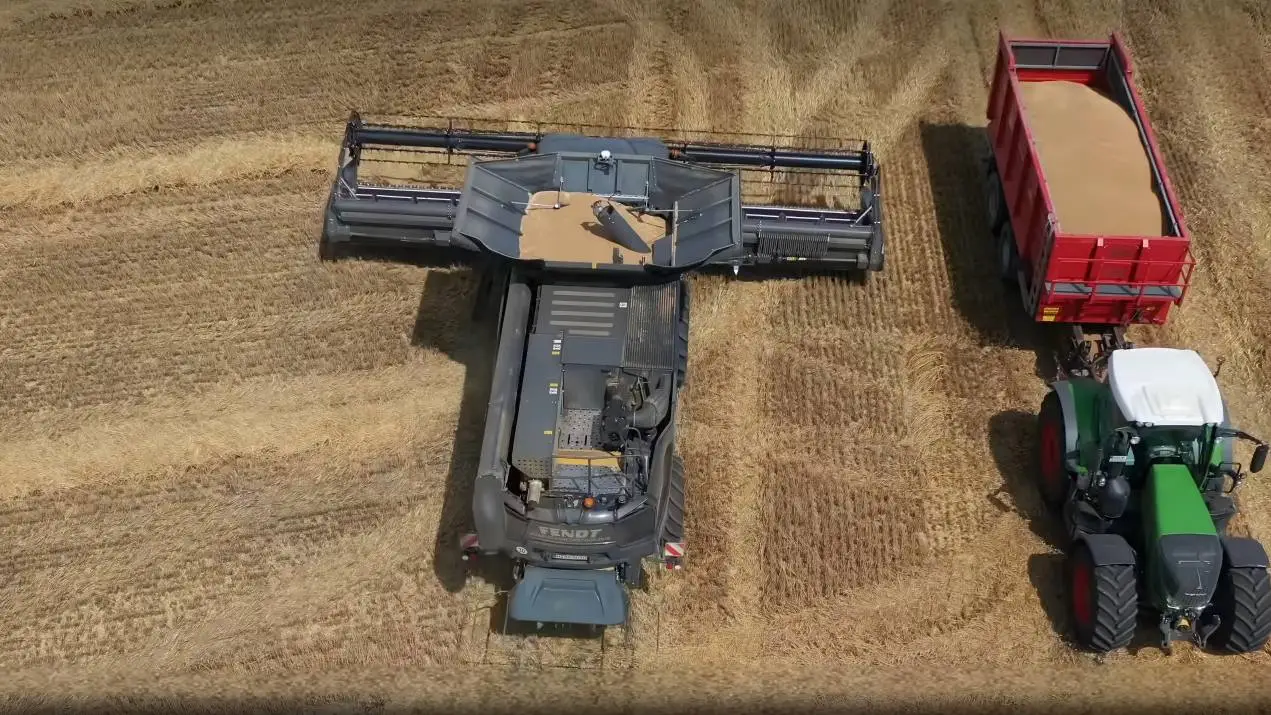
Case 1: Harvester header stuttering, grain loss during harvest
A 3-year-old full-feed rice harvester owned by a Henan farmer exhibited slow, jerky header lifting and inconsistent conveyor speed during peak harvest. Excessive grain dropped to the ground, causing nearly two acres of yield loss per day.
Symptoms: No improvement after raising engine RPM; hydraulic tank bubbled with air; persistent high-pitched pump noise. Flow meter readings showed output only half the rated value with constant fluctuations.
Root causes uncovered during teardown:
- Aged, cracked suction hoses and hardened fitting seals drew air into the pump, creating cavitation.
- Suction filter fully clogged with straw debris and sediment, drastically raising oil intake resistance.
- Scuffed gear teeth and heavily worn side plates enlarged internal clearances, triggering severe internal leakage.
- Oxidized, contaminated hydraulic oil accelerated component abrasion.
Remedial work: Replace all leaky suction line seals and new filter elements; grind lightly worn gears and swap damaged side plates; fully flush the tank and piping, install new hydraulic oil, recalibrate relief valve pressure. Post-repair, header movement returned to factory specification with zero vibration or noise, eliminating further yield loss.
Case 2: Tractor hydraulic lift underpowered, uneven tillage & rework costs
A 1004 tractor used for spring ploughing struggled to lift tillage implements under load, producing inconsistent ploughing depth that forced costly double rework. Extended operation caused rapid hydraulic oil overheating and occasional unresponsive steering.
Fault sources:
- Degraded gasket between pump housing and cover, plus leaking shaft seal causing simultaneous external oil loss and internal flow reduction.
- Contaminant jamming the relief valve spool, triggering premature pressure bypass back to the tank.
- Slipping drive belts lowered pump rotational speed below rated standards, cutting total output flow.
Solutions: Replace full pump gaskets and shaft oil seals; disassemble, clean and recalibrate the relief valve; adjust belt tension to eliminate slip. After repairs, consistent tillage depth was restored, fuel consumption dropped by roughly 20% and rework labour costs were eliminated.
Two Core Flow Abnormalities & Three Critical Farm Loss Risks
Primary failure modes
- Insufficient flow: Actual pump output falls far below rated parameters, slowing all hydraulic cylinders and motors. Visible farm symptoms include sluggish header movement, weak tractor lifts and delayed steering response. Long-term low flow elevating oil temperature accelerates seal degradation and leakage, forming a destructive cycle of worsening performance.
- Fluctuating flow: Unstable, periodic output creates actuator judder and crawling movement, ruining working precision. Cyclic flow shocks apply alternating impact loads to all hydraulic components, speeding up wear across the whole system.
Three tangible economic & operational hazards
- Missed agronomic timelines and yield loss: Limited planting/harvest windows leave no room for downtime. Slow, erratic hydraulic operation delays field work, leading to lodged crops and grain shedding.
- Inflated operating costs: Sustained overloading spikes fuel burn; accelerated wear raises replacement part expenses; substandard work demands extra labour and fuel for re-tillage.
- Cascading secondary failures & safety hazards: Unstable pressure impairs steering control and creates field rollover risks. Overheated degraded oil causes valve sticking and cylinder leakage, leading to full machine shutdown mid-operation.
Five Root Causes of Flow Deviations
- Internal component wear (most common source)
Long-term heavy load operation and abrasive oil contaminants wear gear tooth surfaces, expand gear backlash and scuff side plates/bushings. Enlarged internal clearances generate massive cross-chamber leakage, reducing volumetric efficiency and output flow. Severe wear leads to spalling or broken gear teeth, rendering the pump unusable. - Failed sealing assemblies
Two high-leakage locations: degraded, misaligned housing cover gaskets; aged shaft oil seals with hardened, deformed sealing lips. Both external and internal leakage waste flow and contaminate field ground. - Contaminated, degraded hydraulic oil
Silt, metal shavings and crop debris enter unclean systems, abrading pump internals and clogging flow paths. Overused oil oxidises under heat, forming corrosive acids and altering viscosity, damaging intake and discharge performance. Oil quality testing every 3–6 months is mandatory to catch contamination early. - Restricted or air-introducing suction lines
Clogged filter elements, excessive pipe bends and undersized tubing raise intake resistance. Excessive suction lift or loose cracked piping pulls air into the circuit, causing cavitation, flow fluctuation and loud pump noise. Most operators overlook suction side issues and waste time repairing intact pump bodies. - Auxiliary component malfunctions
Low prime mover RPM or slipping drive chains/belts directly reduce pump output (flow is proportional to rotational speed). Stuck or misadjusted relief valves divert high-pressure oil back to the tank, starving working circuits of flow.
5-Step Standardised Fault Diagnosis Workflow (Minimise Unnecessary Disassembly)
- Visual external inspection: Check for oil leaks at pump covers, shaft seals and pipe fittings; inspect suction line cracks, deformation and blocked filters to quickly identify sealing or intake restrictions.
- Pressure & flow measurement: Mount a pressure gauge at the pump outlet alongside a flow meter. Normal pressure with low flow points to internal wear or air ingestion; low pressure signals relief valve failure or insufficient drive speed.
- Fluid sample testing: Inspect oil colour, water content and particle concentration; excessive contamination confirms oil degradation as the root fault.
- Drive and valve inspection: Test engine operating RPM and belt/chain tension; strip and clean stuck relief valve spools, reset pressure to factory values.
- Full pump teardown inspection: Disassemble only after ruling out external faults. Measure gear and side plate clearances to separate repairable mild wear from irreparable component damage.
Targeted Repair & Remedial Solutions
- Repair or replace worn internal parts
Light surface abrasion: Grind and polish mating surfaces to restore tight clearances. Severe spalling, tooth damage or oversized gaps: install matching OEM gears and side plates, fine-tune shims to maintain design clearances and ensure proper alignment. - Full sealing assembly replacement
Swap all gaskets and oil seals during pump service regardless of visible damage. Install gaskets on clean, flat surfaces and torque cover bolts evenly; orient oil seal lips toward oil chambers and apply light grease during fitting to prevent lip tearing. - Purify or fully replace hydraulic oil
Minor contamination: Recirculate oil through high-precision filters and drain settled water/sediment from tank bottoms. Severely oxidised or heavily contaminated oil: fully flush the tank and all piping, refill with grade-matched hydraulic fluid and avoid mixing incompatible oil brands. - Optimise suction intake conditions
Clean or replace clogged filters regularly; redesign piping to eliminate excess bends and upgrade undersized tubing; tighten all joints and replace cracked hoses to eliminate air intake. - Adjust and repair auxiliary components
Retension slipping drive belts/chains to maintain rated pump RPM; disassemble, clean and recalibrate relief valves stuck open by particulate buildup.
Preventive Maintenance to Eliminate Recurring Flow Faults
- Establish routine inspection schedules
Check pump and piping for leaks pre- and post-season; replace oil and filters per service intervals; monitor pump noise and casing temperature during operation, investigating abnormal vibration or overheating immediately. - Strict hydraulic fluid contamination control
Fully clean all components during assembly and repairs; fit tank breathers with air filters to block field dust; never mix different hydraulic oil formulations to avoid chemical breakdown. - Standardised installation & operating practices
Align pump shafts perfectly with prime mover outputs to eliminate misalignment wear; route tubing without kinks or sharp twists; avoid continuous maximum pressure overload and frequent rapid start-stop cycles to reduce impact abrasion, and operate pumps within designated temperature and pressure limits.
Conclusion
What appears to be a minor pump flow fault translates directly to yield loss and unnecessary overhead during tight farming seasons. Two field case studies prove most flow irregularities stem from overlooked secondary issues: seal leakage, suction air ingestion, dirty oil and slipping drives, rather than complete pump failure.
Adopt a outside-in diagnostic sequence to avoid costly full pump replacements. Consistent scheduled servicing—regular oil changes, filter swaps and seal line inspections—cuts breakdown frequency drastically, extends pump service life and ensures uninterrupted, efficient field operations throughout planting and harvest cycles.